
Opportunities for Indians Studying in the US
WEB'S ON FIRE
Chaifry
6/9/20267 min read
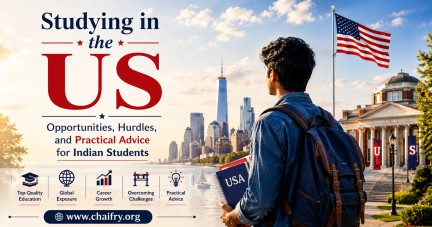
A student from Kolkata or Coimbatore holds an acceptance letter from a US university. The heart races with joy after months of burning the midnight oil for the SAT or TOEFL, crafting essays, and facing interviews. Dreams fill the mind with lecture halls, new friends from around the world, and a degree that could open doors back home or abroad. Yet, like a sudden Mumbai downpour, practical worries appear visa hurdles, shifting policies, steep costs, and questions about staying on after studies.
As of mid-2026, the United States continues to attract many Indian students. The Open Doors 2025 Report shows 363,019 Indian students enrolled in the 2024/25 academic year, up about 10 percent from the previous year, making India the top sending country. Overall international student numbers reached 1,177,766. Still, new enrollments saw declines amid policy changes and higher visa scrutiny. F-1 visa rejection rates for Indian applicants climbed to around 61 percent in 2025, adding pressure for those planning for 2026 and beyond.
This article looks at the main factors shaping the journey for Indian students heading to the US. It draws on the latest data and offers practical thoughts, much like a conversation with a well-informed friend over chaifry. The goal remains simple: help one plan with eyes open and a steady mind.
1. The H-1B Process and the Move from Lottery Luck to Weighted Selection
The path from student life to work often runs through the H-1B visa. This visa lets graduates work in specialized roles after the Optional Practical Training (OPT) period. The annual cap stands at 85,000 visas (65,000 regular plus 20,000 for advanced US degrees). Demand always exceeds supply.
A big shift arrived for the FY 2027 cycle. From February 2026, the Department of Homeland Security moved away from pure random selection to a weighted process. This system gives higher chances to beneficiaries with higher wages and skills, based on Occupational Employment and Wage Statistics levels. Entry-level positions, common for fresh graduates, now face tougher odds.
The $100,000 fee announced in late 2025 for certain new H-1B petitions added another layer. Clarifications helped some change-of-status cases from OPT, but uncertainty remains for many. Employers think twice before sponsoring, especially for junior roles.
This change hits hard for many Indian families. Parents often take loans expecting the US degree to bring strong returns. A lost chance in the selection process can mean returning home earlier than planned. Yet stories of resilience abound. Many use the full OPT period (12 months standard, plus twenty-four for STEM) to build experience, network, and prove their worth. Three attempts at the selection process improve the odds.
Practical steps are effective. During studies, seek internships through Curricular Practical Training (CPT) and OPT. Build connections on LinkedIn with alumni who navigated the system. Target companies with a history of sponsorship in fields like AI, cybersecurity, or data science, where demand stays high. Have a backup plan ready. Canada’s Express Entry system offers a points-based route without a lottery, attracting many Indians each year with clearer paths to permanent residency.
The impact goes beyond visas. Uncertainty affects life decisions like marriage, buying a home, or starting a family. It pushes students to develop flexible skills that work in India’s growing tech sector too. A US degree still carries weight back home, often leading to good roles at companies like Infosys, TCS, or startups in Bangalore and Hyderabad.
For those aiming high, focus on roles that meet higher wage thresholds. Advanced degrees and impressive performance during OPT help. The system now rewards preparation and proven ability more than before. It feels less like blind luck and more like a test of strategy and effort.
2. The Enduring Edge of a STEM Degree and Extra Time
Choosing a STEM field (Science, Technology, Engineering, Mathematics) remains one of the smartest moves for Indian students. A STEM-designated programme qualifies for a 24-month OPT extension, giving up to 36 months of work experience in the US after graduation. This extra time allows building a solid resume, trying the H-1B process multiple times, and showing employers real value.
Indian students lead in STEM areas. The extra window helps transition from entry-level to more responsible positions. Companies become more willing to sponsor when they see proven contributions. Fields like computer science, data science, artificial intelligence, and engineering stay strong.
Check the latest DHS STEM Designated Degree Program List before applying. Popular choices for Indians include data analytics and computer engineering. Even if the main degree falls outside STEM, a minor or double major might help qualify. The extension requires proper Form I-983 training plans and employer cooperation, with tighter compliance checks in recent years.
Real examples show the difference. Many mechanical or software engineering graduates use the full period to intern at places like Boeing or tech firms, then secure offers. Salaries in these areas often start above $100,000, helping repay education loans faster and support families back home.
Yet passion matters too. If interests lie in business, humanities, or arts, do not force a switch only for visa benefits. Other routes exist, such as the O-1 visa for extraordinary talent or employment-based green card paths for advanced degree holders. The key lies in honest self-assessment and long-term planning.
In India, the rush toward STEM coaching for SAT, GRE, and AP courses reflects this reality. It strengthens the country’s tech talent pool but also creates competition at home. For individual students, the decision involves balancing dreams with practical edges.
Processing times for STEM OPT extensions can stretch to several months, so apply early. Monitor any reviews of the programme, as discussions continue duration and oversight. For now, it remains a vital bridge for many.
3. Policy Changes and the Challenge of Staying Nimble
US immigration rules shift with administrations and priorities. The current environment brings more scrutiny and reforms aimed at protecting domestic workers and reducing perceived abuse.
Key developments include the weighted H-1B selection, reviews of F-1 “duration of status” (with proposals for fixed periods like four years plus extensions) and tighter OPT rules. Administrative processing delays affect certain fields, especially those linked to sensitive technologies. Home-country visa interviews remain standard, with wait times that require early planning.
These changes create stress. Surveys and reports show many students feel anxious about sudden rule tweaks mid-programme. Employers sometimes hesitate to hire when future sponsorship looks uncertain. Yet adaptability helps. Stay in touch with the university’s international student office (DSO) and resources like NAFSA. Follow official USCIS and DHS updates directly.
Strong ties to India help demonstrate non-immigrant intent during visa interviews. Family connections, property, or job offers back home strengthen the case under Section 214(b). Keep social media clean and prepare honest, clear answers.
For 2026 applicants, the advice remains consistent: plan flexibly. Apply to multiple countries. Develop skills valued globally. India’s own growth in AI, startups, and services offers strong alternatives. Many who return after OPT or a few years in the US thrive in the domestic market with enhanced experience and networks.
Policy flux tests resilience, much like adjusting to a sticky pitch in a cricket match. Those who watch the conditions, practice hard, and keep options open usually fare better.
4. Visa Costs, Scrutiny, and Financial Planning
The F-1 visa process demands proof of academic intent, sufficient funds, and intent to return home. Rejection rates for Indian applicants rose notably, reaching around 61 percent in recent data. Administrative processing for STEM and technical fields can add months of waiting.
Costs add up quickly. The application fee sits at $185, SEVIS at $350, plus travel, preparation, and possible legal help. Tuition ranges from $20,000 to $60,000 or more per year depending on the institution. Living expenses, health insurance, books, and other costs bring the annual total to ₹30-50 lakhs or higher for many students. Families often stretch savings or take education loans.
Proving finances requires solid bank statements and sponsor documents. The public charge rule emphasises self-sufficiency. Interviews focus on ties to India. Strong applications with clear plans and honest intent improve chances.
Early preparation pays off. Book visa slots well in advance. Gather complete documents. If rejected, many succeed on reapplication with stronger evidence after addressing concerns.
Scholarships, assistantships, and on-campus work help ease the burden. Part-time jobs during studies provide experience and some income, though restrictions apply.
The financial side feels daunting, like planning a big family wedding on a tight budget. Yet many families manage through careful choices: public universities, scholarships, or shorter programmes. Calculate return on investment early. Fields with quicker job placement and higher salaries make the numbers work better.
5. The Job Market, Return on Investment, and Life After Graduation
The US job market offers excitement mixed with challenges. Tech sector adjustments and sponsorship caution affect hiring. Yet demand remains strong in AI, data science, cybersecurity, and related areas for skilled candidates.
OPT and STEM OPT periods become crucial for gaining experience and building networks. Starting salaries in strong fields often reach $100,000 or more, helping recover costs within a few years for many. Hybrid skills combining technology with business or domain knowledge stand out.
For those who return to India, the US degree and experience open doors. Salaries in tech and startups can be competitive, especially with international exposure. Many launch ventures or join growing companies, blending the best of both worlds.
Return on investment varies by individual circumstances. Excessive costs demand planning: scholarships, loans with good terms, and part-time work. From day one on the network through university career fairs, alumni events, and platforms like LinkedIn.
The evolving market rewards adaptability. Remote work options and India’s digital growth allow staying connected to US opportunities even from home. It wants to enjoy biryani in Bangalore while keeping an eye on opportunities in Boston.
Building a Solid Plan for 2026 and Beyond
These five areas – H-1B changes, STEM advantages, policy shifts, visa realities, and job outcomes – shape the journey. Success comes from early preparation, realistic expectations, and flexibility.
Start with a clear timeline: standardise tests, research programmes that match interests and practical needs, apply early, and prepare visa documents with care. Build a strong profile through academics, internships, and extracurriculars. Develop backups like applications to Canada, the UK, or Germany.
Stay informed but avoid panic. Consult official sources and qualified advisors for personal situations. Focus on building genuine skills and resilience. A US education offers more than a degree. It builds confidence, global perspectives, and problem-solving abilities that serve well anywhere.
For Indian students, this path has always mixed ambition with hurdles. Many have walked it before and created successful careers on both sides of the ocean. With thoughtful planning, the same remains possible today. The road may feel uncertain at times, like navigating monsoon traffic. Yet with preparation and a steady approach, one can move forward confidently. The opportunities remain real for those ready to work hard and adapt wisely.