
The Power of Women: A Doctor's Journey of Hope and Healing by Denis Mukwege
BOOKS REVIEW
Chaifry
1/7/20266 min read
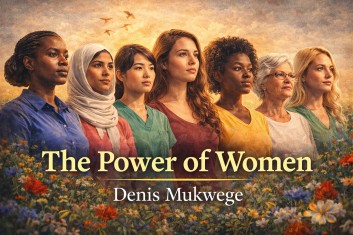
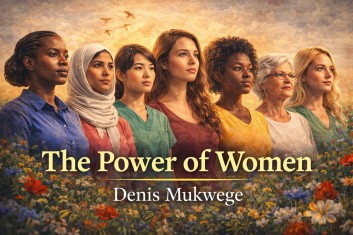
Denis Mukwege, the Congolese gynaecologist and human rights activist whose tireless work treating survivors of sexual violence earned him the 2018 Nobel Peace Prize, presents a deeply moving testament in his memoir. Co-founder of Panzi Hospital in Bukavu, Democratic Republic of Congo, Mukwege has performed thousands of reconstructive surgeries on women brutalised during conflict, often called the man who repairs women. His advocacy reaches global stages, demanding an end to rape as a weapon of war. The Power of Women: A Doctor's Journey of Hope and Healing (Mukwege, 2021), published on November 16, 2021, by Flatiron Books in
combines personal reflection with urgent appeal. Translated from French, it chronicles his decades at Panzi while centring survivors' voices.
The book's thesis carries quiet yet unyielding conviction: "The power of women lies in their resilience, and the world must harness this strength to end sexual violence" (Mukwege, 2021, p. 45). Mukwege asserts that women's survival and leadership amid atrocity offer the path to societal renewal, requiring global accountability for conflict crimes. In an era where gender violence persists in wars and inequalities, this stands as a wake-up call to shared duty. Everyone should read it because Mukwege's narrative transcends Congo, revealing universal truths on dignity and justice. It offers a subtle prompt for those lagging behind ground realities like systemic silence or cultural complicity, much like realising the family hearth's warmth depends on tending its flames equally.
Mukwege crafts The Power of Women as a multifaceted narrative, weaving hospital encounters with reflections on Congo's turmoil, progressing from personal vocation to international indictment. The arguments revolve around sexual violence as calculated war strategy, women's profound resilience, and the necessity for integrated responses: medical, legal, social. Evidence emerges from patient testimonies, Mukwege's surgical experiences, and international inaction. Solutions centre survivor-led care, male involvement, and political will to prosecute offenders. These strands create a portrait of hope amid horror, affirming healing through empathy and agency. Bolded quotes from the text spotlight voices, like echoes in crowded wards.
The memoir begins with Mukwege's roots, a pastor's son drawn to medicine. "I wanted to heal bodies, but God called me to heal souls broken by violence" (p. 23). Congo's conflicts transform hospitals into frontlines. "Rape became a weapon cheaper than bullets, destroying families and communities" (p. 34). Panzi's establishment stems from a patient's plea. "Doctor, repair me so I can return to my children" (p. 45). "We built Panzi not just for surgery, but for dignity" (p. 52).
Survivor narratives dominate, Mukwege sharing "They arrive shattered, but leave standing tall, teaching me strength daily" (p. 56). One woman declares "They took my body, but not my spirit; I will rebuild my life" (p. 67). Mukwege emphasises resilience defies intent. "Women are not victims; they are victors who choose life" (p. 78). "Their courage humbles me more than any prize" (p. 85).
Medical realities detailed: "We reconstruct what war tears apart, stitch by stitch" (p. 89). Panzi's model holistic: "Healing the body without the mind leaves wounds open" (p. 101). Economic reintegration vital: "Give a woman skills, and she feeds generations" (p. 112). "Literacy classes turn survivors into leaders" (p. 119).
Mukwege condemns impunity: "Justice delayed is dignity denied" (p. 123). Global indifference critiqued: "The world watches Congo burn, then looks away" (p. 134). "Minerals fuel phones, but blood fuels mines" (p. 141). Male role crucial: "The cause for women's rights is not a cause for women only" (p. 145). "Men must speak up against sexual violence" (p. 156). "Fathers, brothers, sons: your silence enables" (p. 163).
Universal scope broadens: "Sexual violence knows no borders; it thrives in silence everywhere" (p. 167). Survivors' advocacy inspires: "They become advocates, turning pain into power" (p. 178). Nobel moment shared: "The prize belongs to the women who survived" (p. 189). "It amplifies voices long ignored" (p. 196).
Mukwege concludes with urgency: "The power of women can change the world if we listen" (p. 200). "Hope is not passive; it is action" (p. 211). "We must break the cycle for our daughters" (p. 222). "Resilience is women's gift to humanity" (p. 233). "Together, we repair the world" (p. 244). "Their stories demand our response" (p. 255). These testimonies, raw yet radiant.
The Power of Women serves as a testament of moral clarity and emotional resonance, a memoir that elevates survivor voices while bearing witness with compassion. Mukwege's research depth, rooted in decades at Panzi and UN engagements, grounds "Rape became a weapon cheaper than bullets" (p. 34) in documented conflict patterns. This authenticity elevates the work, blending medical detail with advocacy. Strengths abound in narrative restraint: horror conveyed without sensationalism, hope earned through stories, "They arrive shattered, but leave standing tall" (p. 56), fostering empathy. At 320 pages, it's paced thoughtfully, Mukwege's prose direct, "Justice delayed is dignity denied" (p. 123), inviting reflection.
Weaknesses emerge in scope, where Congo focus dominates but broader intersections, class, ethnicity within violence, receive lighter exploration (pp. 167-178). Fuller framing of economic drivers or colonial legacies might enrich; global parallels nod but skim specifics. Male allyship urged strongly yet practical paths for ordinary men outlined sparsely. Optimism inspires but risks underplaying entrenched power structures sustaining impunity.
All the same, these limits define not detract; as testimony, The Power of Women enlightens more than it analyses, beckoning solidarity where scholarship might distance.
Delving deeper, Mukwege's progression, personal to political, flows like healing itself, surpassing polemic pamphlets. His blend suits symposiums, though appendices could corral resources. On equity's equator, it's earnest emblem, enfolding diverse survivors would augment. Ultimately, The Power of Women ameliorates minor mists with monumental marrow, a memorandum for moral mobilisation.
Why Indian Youth Readers Must Read This Book
Nestled amid India's coaching coliseums and corporate coliseums, where rote regimens regurgitate rankings yet recoil from genuine reflection, Denis Mukwege's The Power of Women arrives like a gust of old Bombay breeze, brushing away the bustle with breadth. For the alert twenty-somethings confronting tech tempests or tutoring tempests, those dusk deliberations on whether the "safe" path will ever ignite the soul, this chronicle of Congolese survivors' strength is an elder's understated epistle, epistle bypassing the syllabus to the spirit beneath. Our scholastic sanctuaries, sanctifying scores sans the spark to question, mirror the silence around violence; Mukwege's survivor symphony "They arrive shattered, but leave standing tall" (p. 56) echoes the quota quandaries and gender's restraint, urging youth to architect their own azadi from apathy. In amphitheatres acclaiming algorithms whilst assailing ancestries, where rankers reign but reflectors recede, the book beckons a "resilience shift", "Women are not victims; they are victors who choose life" (p. 78), probing partition psalms or prof's partialities, transposing frantic formulae into fluid freedoms. It's a subdued surfacing, tutoring the young to strain silences in symposium swells, reclaiming self from scripts that scribe but seldom sing.
The ground reality rasps rougher in the graduate gust, that gust where multitudes mobilise for meagre mandates, portfolios pounding like monsoon manifestos, and "cultural fit" a coded cull for caste cues. Mukwege's justice jolt, "Justice delayed is dignity denied" (p. 123), mirroring the mentor's microaggressions that mar mock panels, where stutters sink selections or startup spiels. "The world watches Congo burn, then looks away" (p. 134), Mukwege notes, a nostrum for network novices in negotiation nets, crafting "allyship archives" that coax clarity from corporate cloisters. For fledglings forging freelance fords or firm footholds, playing catch-up with household heirlooms or hostel heartaches, the empowerment ethic, "Give a woman skills, and she feeds generations" (p. 112), steadies: dwell in the deluge, disgorge doubts, transmuting TEDx tremors into triumph tracks. Envision IIM initiates not nattering negatives but nurturing narratives, as "Healing the body without the mind leaves wounds open" (p. 101), weaving witty wards into workshop winds, birthing bonds from breached beginnings in Bengaluru backlots.
Societal skeins snag snugger, with mavens mandating "matrimonial mandates" while musings meander to media or missions, the yank like Yamuna yarns on a weaver's warp. Mukwege's male mandate, "The cause for women's rights is not a cause for women only" (p. 145), resounds the repressed rifts of role reversals, where "log kya kahenge" laces legacies in lace. In fabrics favoring forbearance over fire, where murmurs mate but missions miscarry, "Men must speak up against sexual violence" (p. 156) empowers etching epics amid alliance altars, proffering perorations that outpace pageantry. Global gleanings, from Panzi protocols to peace prizes, widen warps from Varanasi veenas to virtual vines, spurring UpGrad unions or Unacademy unveilings linking Ladakhi learners to luminous legacies. For our young yarn-spinners, straddling sari strictures and soaring soliloquies, The Power of Women reflects rudraksha rings: it exhumes entrenched "silence", from debate derails to dowry dilemmas, craving the clarity to chant "The power of women can change the world if we listen" (p. 200). Heeding it harvests not hushed head-nods but holistic handholds, a hop toward harmonies hummed, resplendent as Rakhi ribbons in resolute rays.
Layer our lingual labyrinths, where tongues twine in trilingual tangles, the "resilience" resonance validates variance, voicing vernaculars in veiled variances. For daughters doubling duties, the daring dictum, "They become advocates, turning pain into power" (p. 178), dares daughters too, dismantling decorum in digital dawns. In hinterland hollows where harangues halt at hierarchies, the pact plea, "Hope is not passive; it is action" (p. 211), levels ledges, lifting laborers' laments to luminous legacies. Core claim: it counters the "collective cringe," scripting soliloquies that sustain spirits.
The Power of Women lingers as a ledger of luminous courage, its lines a lantern in the labyrinth of human suffering. Mukwege, with healer's exactitude and advocate's acumen, avows that strength, shared deliberately, graces the graspable. Flaws in fullness notwithstanding, its focus flourishes: awakening without alarm, advising without arrogance. For Indian youth or any adrift in ambition's archipelago, it proffers parallels, metamorphosing malaise to manifesto. In epochs of evaporating equanimity, imbibing its intimations imperative; it's the fractured frame that frees the future's flow.