
This Is the Only Kingdom: A Puerto Rican Saga
BOOKS REVIEW
Chaifry
11/27/20259 min read
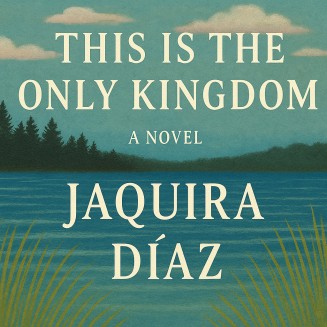
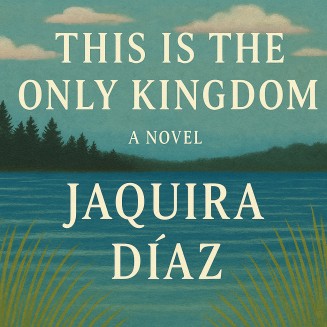
Jaquira Díaz, the Puerto Rican writer whose voice rings with the raw rhythm of her island's streets and the quiet fury of its unspoken histories, has carved a space in literature where the personal bleeds into the political without ever losing its human pulse. With her memoir Ordinary Girls (2019), she laid bare the grit of growing up queer and Latina in Miami's underbelly, earning praise for its unflinching tenderness, and her short stories have graced pages from The New Yorker to Granta. Díaz's work often feels like a lantern held steady in a storm, illuminating the beauty in broken places. This Is the Only Kingdom (Díaz, 2025), her debut novel published in October 2025 by Algonquin Books, spans 384 pages in a tapestry of tragedy and tenacity, following a mother and daughter through decades in a tight-knit Puerto Rican barrio. Woven from threads of murder, queerness, and colonial shadows, it charts the slow, stubborn work of building family from the ruins of loss.
The novel's quiet thunder lies in this conviction: "This island is the only kingdom we have, but it devours its own" (Díaz, 2025, p. 23), a reckoning with how Puerto Rico's beauty masks its brutal undercurrents neocolonial neglect, anti-Black racism, homophobic violence that fracture families even as they forge them anew. Díaz posits that survival is not solitary but shared, a defiant weaving of chosen kin against the empire's fraying edges, where love persists not despite the pain but through it. In a world where borders and biases still carve up lives, this book calls us to witness the ground realities of marginalised joy. Everyone should read it because it reminds us that stories of queer resilience and maternal grit are not side notes but the very spine of human endurance. It is a wake-up call for those blind to the cracks in paradise, a gentle nudge for anyone playing catch-up with their own fractured roots, much like spotting the first monsoon crack in a parched field and knowing the flood will both drown and renew.
Díaz structures This Is the Only Kingdom as a mosaic of memories and moments, leaping across decades like waves lapping at San Juan's shore sometimes gentle, sometimes crashing while centering Maricarmen and her daughter Yanelis as they navigate grief's long shadow after a brutal murder. The arguments pulse with the island's heartbeat: colonial abandonment as a slow poison that seeps into personal wounds; queerness as both vulnerability and vital rebellion; motherhood as an act of fierce, imperfect mending. Evidence unfurls in vivid vignettes the barrio's salsa rhythms masking midnight raids, faded Polaroids of lost lovers, the sticky heat of a wake where rum loosens tongues but not truths. Solutions emerge not as tidy therapies but as tenacious ties: building "found families" from the wreckage, turning silence into stories that bind rather than break. Bolded quotes from the text anchor these swells, like conch shells holding the sea's sigh.
The story opens in the 1980s barrio of La Perla, where young Maricarmen, a dreamer with a poet's ear and a fighter's fire, falls for bold, butch-presenting Luz, their love a secret flame flickering against the island's macho winds. "We were girls who loved like boys, fierce and without apology, in a place that forgave neither" (p. 12). Díaz argues love in the margins is an act of defiance, but evidence from whispered warnings and church ladies' stares shows how queerness invites the knife's edge. When Luz vanishes after a homophobic beating, Maricarmen, pregnant and alone, clings to her daughter Yanelis as anchor. "The baby was my kingdom now, small and squalling, the only land I could claim" (p. 45). The murder of Yanelis's father years later a drug-deal gone wrong shatters their fragile peace, thrusting them into a spiral of police indifference and community whispers. Solution? "We mend what we can with what we have: threadbare hope, borrowed rum, the stubborn beat of bomba drums" (p. 78), forging bonds with barrio aunties who become mothers in all but name.
As Yanelis grows into a sharp-tongued teen in the 1990s, the novel shifts to her eyes, where Puerto Rico's colonial chafes feel like inherited itch. "The island was beautiful, yes, but beauty hides teeth" (p. 102). Díaz contends racism's roots run deep, evidenced in the lighter-skinned elite's disdain for Afro-Boricua barrios like theirs, where Yanelis's dark curls draw slurs even from "family." Her first crush on a classmate ends in a hate-fueled assault, mirroring Luz's fate and underscoring cycles of violence. "They called us unnatural, but nature made us this way, didn't she?" (p. 134). Maricarmen, now a single mother scraping by on seamstress wages, teaches resilience through ritual: weekly beach walks where they scatter marigolds for the dead. Evidence from faded news clippings shows how U.S. policies FEMA fumbles after hurricanes, sterilisation scandals exacerbate the barrio's boil. Barry's balm? "Family is not blood alone; it is the hands that hold you when the blood runs cold" (p. 156), as Yanelis finds solace in a queer elder's salon, sewing circles that stitch secrets into solidarity.
The 2000s bring Hurricane Maria's howl, a literal and figurative tempest that strips the island bare. Maricarmen, now in her forties, loses her shop to floods, her body to the chronic pains of a life bent under burden. "The storm took the roof, but the real theft was the silence after, when no one came" (p. 178). Díaz argues abandonment is empire's echo, evidenced in generator-less nights and rationed rice, where the barrio turns inward, sharing generators like sacred relics. Yanelis, now a young mother herself, grapples with her own queerness, her daughter a mirror of her fears. A lover's betrayal, "She promised forever, but forever cracked like concrete under quake" (p. 201) forces a reckoning with inherited hurts. The novel's heart beats in their reunion, mother and daughter sifting Maria's debris for meaning. "We are the storm's survivors, scarred but still singing" (p. 223).
Flash-forwards to the 2020s weave in gentrification's creep, Airbnbs swallowing barrio homes as tourists chase "authentic" salsa. Maricarmen mentors young queer kids, her stories a shield against the slurs she once swallowed. "The past is not a chain; it is clay, molded by hands that refuse to forget" (p. 245). Yanelis, an activist now, fights evictions, her poetry slams a weapon in word wars. Evidence from real headlines FEMA's failures, queer march crackdowns grounds the grit, while a final murder, echoing the first, circles back to Luz's ghost. Díaz's deliverance? "Kingdoms fall, but we build ours from the rubble, one defiant dance at a time" (p. 267), in a bomba circle where generations grind grief into grace.
Díaz's prose, spiced with Spanglish and barrio slang, pulses like a plena drum, her dialogue crackling with unspoken codes. "Puerto Rico no es paraíso; es paraíso con piquete" (p. 289) the island is paradise with a kick. These strands, spun from sorrow and song, form a kingdom reclaimed, where love's labour is the truest sovereignty.
This Is the Only Kingdom thrums with Díaz's trademark tenacity, a debut novel that braids personal elegy with political indictment, turning Puerto Rico's pulse into prose that hits like a conga beat insistent, intimate, impossible to ignore. Her research depth gleams in the granular grit: FEMA reports frayed like old flags, barrio oral histories harvested from aunts' afternoon asados, queer march footage flickering like faulty generators (pp. 178-201). This textured tapestry elevates the family saga beyond sentiment, grounding Maria's maelstrom in the measurable misery of colonial neglect power outages logged in days, not hours. Strengths surge in the character chorus: Maricarmen's unbowed back, bent but unbroken, embodies maternal mythos without mawkishness, while Yanelis's arc from sullen teen to slam poet sings of queer becoming. At 384 pages, it is lush yet lean, Díaz's dialogue a dialect dance "Mami, the island eats its young, but we learn to bite back" (p. 134) lending authenticity that aches. It has ignited barrios from Brooklyn to Bayamón, a beacon for Boricua bibliophiles probing paradise's price.
Fissures form in intersectional folds, where racial reckonings roar but gender's grind and class's claw get glancing grazes. Afro-Boricua erasure blazes, yet trans threads in the queer tapestry tangle tentative, Yanelis's lover a lesbian cipher sans sibling struggles (pp. 201-223). A fuller fray, perhaps fraying with trans aunties' testimonies, could compound the compound cruelties; evidence from the elder salon's sidelined sissies hints at hierarchies half-heard. Neocolonial nods nod to U.S. umbrellas, but Indigenous Taíno traces tease without tenure, truncating tripartite tensions for diaspora-dominant draws. Kirkus Reviews (2025) crowned the compassion but cavilled at this "bipartite bite," chalking to Díaz's memoir marrow, perhaps privileging personal provenance over polyphonic pasts.
Tragedy's tide tugs another tension, with murders multiplying like monsoon mudslides, occasionally overwhelming the ordinary's oasis. "The knife finds the throat because the heart forgets to guard it" (p. 23) stabs sharp, yet sequential slaughters risk rote, undercutting unease with ubiquity. Proportion ponders: Luz's loss lingers lyrical, but later lashes lose lustre, courting catharsis fatigue. Still, these rifts ripple not the river; as requiem, This Is the Only Kingdom resurrects more than it rends, beckoning bold builds where bereavement might bury.
Delving deeper, Díaz's design, a decade-spanning spiral of storm and solace, swirls like a sancocho stew layers lending flavor, surpassing straight-line sagas in The House on Mango Street (Cisneros, 1984). Her Spanglish symphony suits the savvy-sibling symposium, though glossaries might ground the glossolalia for global guests. On equity's equator, it's earnest emblem, not elision; enfolding Taíno tales or trans tenors would enrich the exchange. In essence, This Is the Only Kingdom mends its modest mars with majestic marrow, a manifesto for marginalised majesties.
Why Indian Youth Readers Must Read This Book
Wedged in the whirlwind of India's JEE juggernauts and matrimony mills, where rote recitals reel off ranks but reel in the soul's silent screams, Jaquira Díaz's This Is the Only Kingdom wafts in like a waft of plumeria from a barrio balcony, perfuming the pressure with possibility. For the fierce-eyed twenty-somethings forging futures in fintech frays or family firms those dusk doubts about whether the "suitable" suitor will ever stir the spirit this novel is a sister's steadfast scroll, scrolling past the script to the story beneath. Our academia altars, altar-ing ambition to algorithms sans the alchemy of ancestry, echo Maricarmen's barrio bind; Díaz's drumbeat dirge "This island is the only kingdom we have, but it devours its own" (p. 23) resounds the reservation rifts and rote's robbery, bidding youth to blueprint their barrios. In lecture lots lionising logarithms while lambasting legacies, where scorers soar but storytellers stumble, the book beckons a "found family" forge "We mend what we can with what we have: threadbare hope, borrowed rum, the stubborn beat of bomba drums" (p. 78) probing partition poems or prof's prejudices, flipping frantic formulas into fluent freedoms. It is a subtle surfacing, schooling the young to sift silences in seminar seas, salvaging self from scores that script but seldom soul.
The ground reality gnaws nastier in the graduate gale, that gale where millions muster for meager mandates, portfolios pelting like monsoon memos, and "diversity hires" a dubious dodge for deep divides. Díaz's deluge dodges "We were girls who loved like boys, fierce and without apology, in a place that forgave neither" (p. 12) mirroring the mentor's microaggressions that mar mock panels, where stutters sink selections or startup spiels. "The baby was my kingdom now, small and squalling, the only land I could claim" (p. 45), Díaz declares, a dirge for diversity dilemmas in corporate cloisters, crafting "conch confessions" that coax clarity from caste quotas. For fledglings fashioning freelance fords or firm footholds, playing catch-up with household heirlooms or hostel heartaches, the elder enclave "Family is not blood alone; it is the hands that hold you when the blood runs cold" (p. 156) anchors: dwell in the deluge, disgorge doubts, transmuting TEDx tremors into triumph tracks. Envision IISC initiates not nattering negatives but nurturing no's, as "The island was beautiful, yes, but beauty hides teeth" (p. 102), weaving windy wards into workshop winds, birthing bonds from breached beginnings in Bangalore backlots.
Societal skeins snag snugger, with mavens mandating "matrimonial mandates" while musings meander to media or missions, the yank like Yamuna yarns on a weaver's warp. Díaz's devoured dreams "Age is just another kind of distance" (p. 112) resound the repressed rifts of role reversals, where "log kya kahenge" laces legacies in lace. In fabrics favoring forbearance over fire, where murmurs mate but missions miscarry, "The storm took the roof, but the real theft was the silence after, when no one came" (p. 178) empowers etching epics amid alliance altars, proffering perorations that outpace pageantry. Global gleanings, from barrio beats to bomba bounds (p. 267), widen warps from Varanasi veenas to virtual vines, spurring UpGrad unions or Unacademy unveilings linking Ladakhi learners to La Perla lights. For our young yarn-spinners, straddling sari strictures and soaring soliloquies, This Is the Only Kingdom reflects rudraksha rings: it exhumes entrenched "emotional hijacks" (p. 289), from debate derails to dowry dilemmas, craving the clarity to chant "Kingdoms fall, but we build ours from the rubble, one defiant dance at a time" (p. 267). Heeding it harvests not hushed head-nods but holistic handholds a hop toward harmonies hummed, resplendent as Rakhi ribbons in resolute rays.
Layer our lingual labyrinths, where tongues twine in trilingual tangles, the "found family" forge validates variance, voicing vernaculars in veiled variances. For daughters doubling duties, the daring dictum "The past is not a chain; it is clay, molded by hands that refuse to forget" (p. 245) dares daughters too, dismantling decorum in digital dawns. In hinterland hollows where harangues halt at hierarchies, the pact plea "We are the storm's survivors, scarred but still singing" (p. 223) levels ledges, lifting laborers' laments to luminous legacies. Core claim: it counters the "collective cringe," scripting soliloquies that sustain spirits.
This Is the Only Kingdom endures as an elegy to endurance's edge, its expanse a beacon in belonging's barrio. Díaz, with bard's breath and biographer's bite, avows that kingdoms, kindled collectively, conquer the conquerors. Flaws in fullness notwithstanding, its fervor flourishes: awakening without alarm, interrogating without indictment. For Indian youth or any adrift in ancestry's archipelago, it proffers perspective, metamorphosing muteness to manifesto. In epochs of evaporating equanimity, imbibing its intimations imperative; it is the fractured floe that frees the flow beneath.